
Sound Element – Pitch
Sounds can be high or low in pitch. The height of a sound is called its pitch.
We will learn about the elements that make up sound and how they relate to mathematical formulas.

Sounds can be high or low in pitch. The height of a sound is called its pitch.

Sounds can be loud or quiet. In other words, sound has intensity or loudness.

Sounds also have types or qualities. The sound of wood being struck, the sound of wind, and the sound of a piano all differ. This quality is called timbre.
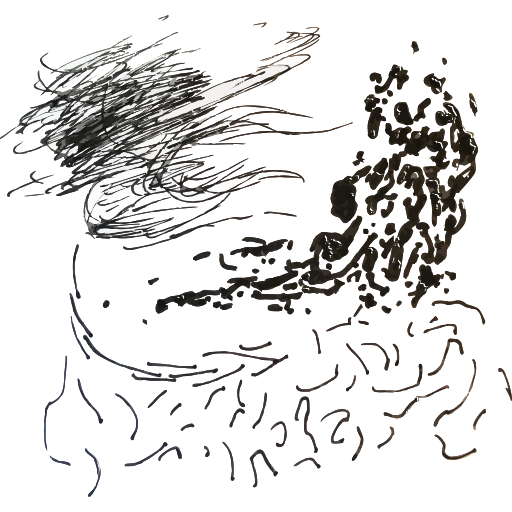
So far, we’ve discussed the three elements of sound—these are simplified ways to describe its physical properties .Now, let’s focus on pitch and explore the physical characteristics behind it.
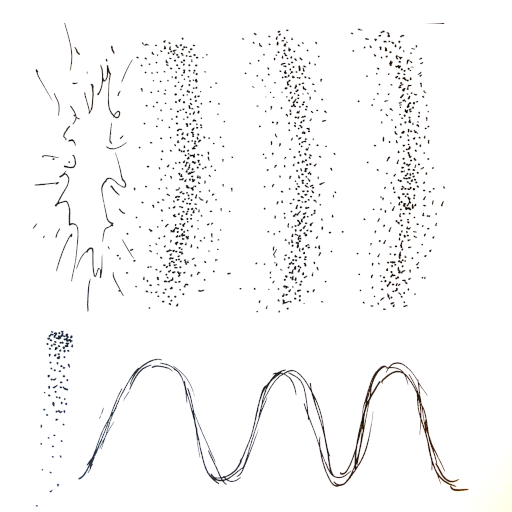
Sound is related to multiple states — the physical process that generates it and the moment it reaches and is perceived by the ear.
When sound occurs, the density of air fluctuates in waves. These variations spread outward like ripples on the surface of water.

When sound occurs and the air’s density oscillates periodically, that repetition is described by the term “frequency.
The shorter the period, the higher the frequency value—and the higher the perceived pitch. Conversely, a lower frequency corresponds to a lower pitch.